Seed value chain involves all the principle & practices involved in maintenance & creation of reasonable price to the farmers seed produced. The steps in seed harvesting to post harvest determines the value of seed produced & same will be used to determine the seed value chain. The major steps in seed value chain includes principles & practices from seed harvesting-seed drying-seed cleaning-seed processing-seed packaging -seed treatment-seed marketing or seed storage.
Seed processing refers to all the activities that is necessary to prepare the seed for marketing. The aspect of seed value chain is related to the same topics of seed value added by seed processing process. So the importance of seed processing to seed value chain is very much significant. Its aim is to prepare seed lot to meet seed standard for certification. Seed processing includes
Seed drying
Seed cleaning & upgrading
Seed treatment
Seed packaging & handling
Advantage of seed processing:
Seed processing improves the seed quality by removing unwanted offtype, diseased, weeds seeds & maintains purity of seeds.
It creates homogeneity in the seed lot
The process of doing seed processing maintains uniformity in planting, germination, stand & establishment & maturity
It prevents seeds from spread of weeds, diseases & insect damage to next grown plant from that seed
It improves in value addition & marketing of seeds
The process of Drying prevents seed from insect & pathogen damage
The process of seed processing increases the seed longevity & seed storability.
Agro Science Blog is a site intended for flowing the agriculture and animal science related information among various agriculturists, farmers and academicians belonging to the diverse backgrounds and diverse geography. We have been constantly extending what we learn and what we feel is important to more than 15 Thousand Peoples from 15 different Countries with different Geography and agro-climatic regions through various mediums like This blog site, facebook, twitter and instagram pages and even through a youtube channel.
With the increasing number of daily followers, Now we feel is the right time to extend the members in our admin team and make it diverse to ensure the demand of the quality and the quantity of the posts that are required. So we hereby call for membership from enthusiastic individual who is driven to extend their knowledge for the betterment of the agriculture, veterinary science and the humankind.
Please fill the form below to get notified if you are selected to join this team of enthusiastic and curious agriculturists and veterinarian:
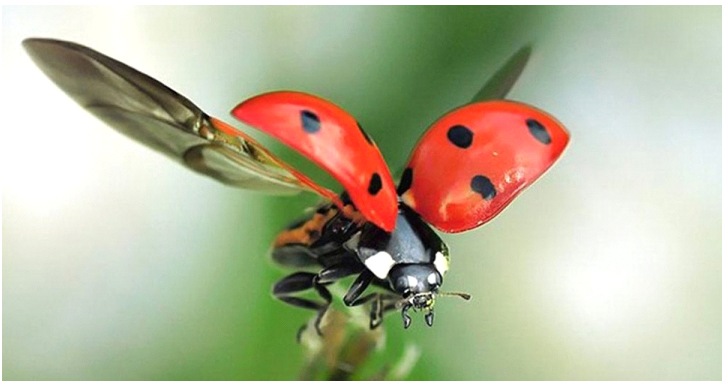
Ladybugs are small size beautiful insects belonging to the family coccinellidae. Ladybugs are not actually bugs , they are beetles. They are found in various colours ; yellow, red, green, grey, black, even pink. Dark colours of ladybugs make them appear as poisonous or toxic to many birds and other predators and hence , are protected from being killed. They curl up and pretend to be dead with legs up to protect them from predators. They are not aggresive , docile in nature and generally don’t bite to humans. However, some Asian lady beetles bite by scrapping the skin they land on and leave a yelow , foul smelling liquid on the surfaces where they gather. But, their bite is not harmful and they don’t spread diseases to human. Their bite can be allergic to human skin but are not fatal . Care should be taken for our pets to protect their encounter with ladybugs as they can be poisonous to our pets. Ladybugs are beneficial insects for human beings. They can be used as the biological tool to control pests . They feed on harmful insects like aphids, scale, mealybugs, spider mites etc. They can be good alternatives for pesticides if used propery. Female ladybugs are larger than male and they can eat as many as 75 aphids in one day. They smell with feet and antennae. During winter , they undergoes hibernation in groups whose members can extend upto thousands.
⦁ Disease is characterized by necrosis of tissues at distal end of the fruit. ⦁ Atmospheric impurities are responsible for this physiological disorder (SO2,CO2 and acetylene gases released from brick kilns are mostly responsible). ⦁ Symptom is confined to fruits only. ⦁ Appears after 6-8 weeks old fruits or at maturity stage. ⦁ Necrosis at the tip of fruit only. ⦁ Tip become pulpy and develop large dark brown spots which gradually harden. ⦁ Inner portion of tip become soft , rotten and secretion of dark brown liquid occurs . ⦁ Management – Spray Borax @3-4 kg/500.lit water. I &II spray-Flowering stage III spray- Fruiting stage ⦁ Prevention – establish orchards at least 1 km away from brick kilns.
Primarily in the months of September-October, after about 90 days of sowing of kharif rice, when the panicle of the rice starts initiating and bearing seeds, a number of velvety orange masses are seen in place of panicles of some rice plants in the hot and humid region of tropical areas. That orange velvety mass is the group of chlamydospores of a fungus named Villosiclava virens(anamorph: Ustilaginoidea virens) and the phenomenon is known as the disease of false smut.
The smut pathogens belong to the order Ustilaginales, but green smut pathogen of paddy does not belong to this order. Initially it was placed under the subdivision Deuteromycotina, but later it has been placed under the subdivision Ascomycotina. So, it is not a smut in true sense, thus called false smut.
First described very early in ancient Chinese literatures (Ou, 1985), False smut was first reported in Nepal in 1985. Introduced from the Taiwanese varieties, it soon invaded most of the hybrids and even the indigenous varieties of Nepal. Later it even emerged as a pandemic in kanchan variety in Bhaktapur district resulting heavy loss in Production.
Seen during the early panicle initiation to late maturity stage of seeds, the smut results either chalkiness in the rice seed and reduces the quality or invades the whole panicle with its spores being outside surrounding the mycelia inside . The yield loss varies from one percent to the fifty percentage based on the severity of infection.
Generally, The disease affects the early flowering stage of the rice crop when the ovary is destroyed. The second stage of infection occurs when the spikelet nearly reaches maturity.
Though false smut is prevalent and visible more in panicle initiation, development or during the late maturity stages of spikelet, the infection might have been occurred during initial phases of rice. Some of those phases of false-smut-infection are :
Intercellular systemic infection at seedling stage: Germ tubes from conidia penetrate the cuticle of coeloptiles and grow along with the seedling.
Early flowering infection: Here, the fungus destroys the ovary and the style of the flower but the stigmas and anther lobes remain intact and are ultimately transformed in the spore mass.
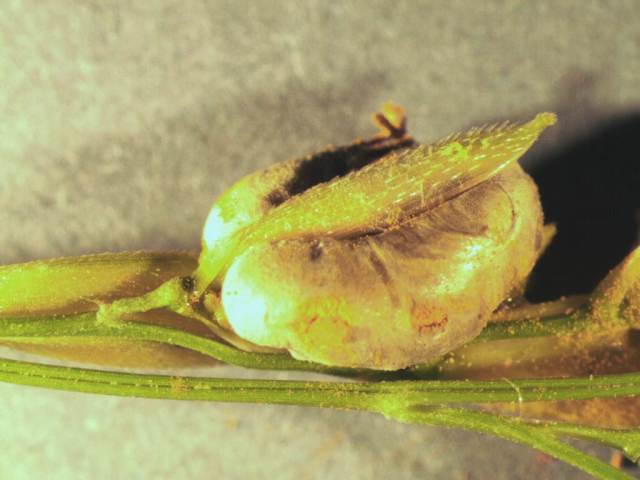
Maturing Grain infection: The fungus spores accumulate on the glumes of the grains, absorb moisture, swell and force the lemma and palea apart. Then the spores finally come to contact with the endosperm and transform the grain into smut balls containing viable spores that can be spread for further infection.
Hence, the infestation of the fungus can be prevented on three stages if proper strategies and techniques are applied, more of which is discussed in the management section below.
IDENTIFICATION:
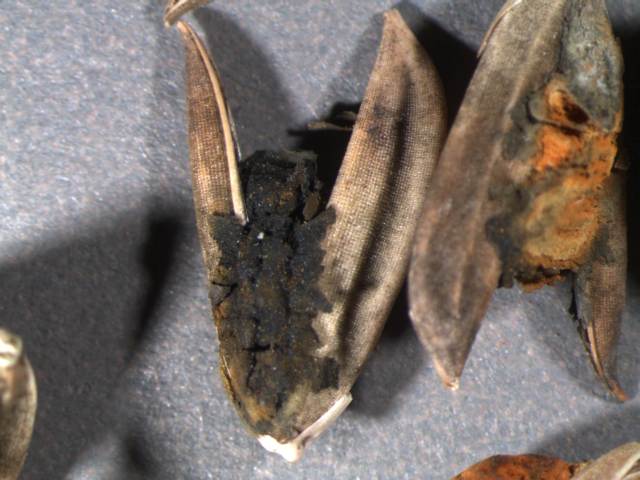
False Smuts are generally identified by the presence of velvety orange spore balls in the spikelets that later turn into greenish black at maturity. This structure consists of a mixture of fungal tissues and floral parts enclosed in a whitish membrane. Later on, this spherical bag bursts open and as it dries on the grains, it turns yellowish-green or greenish-black.
Only some of the spikelets are infected so we can’t see the disease in all of the spikes of the rice plant. But that does not mean the effects of the smut are limited only to the infected spikes. The spikes neighbouring the smut infected spikelet are often empty and if not empty, the grains are chaffy in nature and the quality of the grain diminishes by large extent.
Identifying the various stages during the disease cycle is also crucial for identifying weather or not the field is infected by the fungus. So here are some stages of the disease cycle in the slideshow below :
????????????????????????????????????
????????????????????????????????????
The images shown in the slideshow are chronologically:
Spores of Stilaginoidea virens under microscopic conditions
Very Early Symptoms: Very early symptoms and signs of false smut infection.
Early Symptoms: Early symptoms and signs of false smut infection.(Note silver cover over spores)
Rice Grain: Rice grain showing false smut symptoms and signs of infection.
Severe infection: Severe infection of rice grain by false smut.
False Smut Galls removed: False smut galls removed by a dockage machine from rice grain.
Close Up of Rice Grain: Up close of a rice grain replaced by a mass of false smut spores.
Darker symptoms: Later darker symptoms and signs of false smut infection.
SOURCE OF INFECTION
Source of the disease can be accredited to various origins such as:
Seeds: The fungus can perpetuate on seed in the form of conidia,sclerotia etc.
Soils: The fungus can even perpetuate in soil. The Sclerotia of virins remains about 11 months under normal field conditions.
Closely Related Host plants: Weeds liike oryzae officinale, chionache koenigii and digitaria marginata host the fungus for long.
Suitable conditions for fungal diseases:
Hot and Humid temperature.
Temperature (25-35 degrees Celsius.)
Wind helps disperse the spores and increase infestation.
Constantly irrigated or flooded low land fields.
Constant Rainfall.
Continuous cropping of same crop for long time without crop-rotation practices.
Prevalence of closed related weeds of rice that may host the fungus.
Poor crop management practices and intercultural operations.
Management:
Alternate drying and wetting of fields.
Clear infected plants and panicles and keep the field clean.
Controlled irrigation.
Practice Conservation tillage.
Use Certified Seeds only.
Use Diseases Resistant varieties.
Avoid using susceptible varieties like sambha mansuli.
Early planted rice plants usually have lower problems.
Seed treatments: Treatment with Carbandazium @ 2 g/kg of seeds & Hot water treatment: 52 degrees for 10 minutes.
Avoid supplying excessive nitrogen. Supply nitrogen in split doses.
Apply copper-based fungicides as preventive measure as well as the measure for control. eg: Copper Oxychloride.
Spraying preventively during panicle emergence with following fungicides may be effective. eg: azoxystrobin, propiconazole, chlorothalonil, trifloxystrobin, tebuconazole, @2ml/l water solely or on various combinations.
Once infected, the further progression of disease infestation can be slowed using aureofungin, captan or mancozeb.
Application of Bordeaux mixture(0.4%) and blitox(0.25%) from booting stage at the interval of 10 days for 3 times. (singh and singh, 1985)
Note: Relevant citations will be updated shortly.
Disclaimer: All the images used in this particular post belong to LsuAgCenter. We hereby declare no ownership of those pictures. But the rest of the text and medias are intellectual property of AgroScienceBlog and whoever does is advised not to copy paste or reproduce the content without asking for permissions priorly.
Present condition of production, problems and future possibilities of grain legumes in Nepal .
Introduction
Grain legumes are the most important crops in condition of Nepal, it ranks fourth in terms of cultivation. Grain legumes play the important role in Nepalese agriculture contributing towards food and nutritional security, nitrogen economy, crop intensification, diversification and sustainable farming system. Lentil is the major grain legumes and accounts for 62% of area and 65% production of total grain legumes in Nepal and has emerged as an important export commodity. Grain Legumes Research Program (GLRP) of Nepal in collaboration with CGIAR works for genetic improvement of lentil, chickpea, pigeon pea, soya bean, mug bean, black gram and cowpea. This has led to substantial increasing grain legumes production, mainly because of 47% area increase during the last two and half decades. The current estimates for area, production and productivity of grain legumes in Nepal are 339861 ha, 386570 metric tons and 956kg ha-1, respectively.
Table showing area, production and productivity of grain legumes in Nepal (2015)
Crops
Area(ha)
Production(mt)
Productivity(t/ha)
Lentil
205939
253041
1.2287
Chickpea
9883
10914
1.1043
Pigeon pea
17006
16415
0.9652
Black gram
23312
19402
0.8323
Lathyrus
23312
19402
0.8323
Horse gram
6319
5662
0.8960
Soya bean
23446
28917
1.2332
Others
30644
32817
1.0709
Total
339861
386570
1.1374
Why grain legumes are given secondary importance??
In terms of production volume, the cereals are the most important as they furnish the carbohydrates that constitute the major portion of human and animal diets, on the other hand the legumes do not constitute major portion of the human diets as well as animals. Production of grain legumes is not also more sufficient so that it can be exported. Grain legumes are generally used for their chemicals, ethnic value, timber, cooking fuel, forage crops, pasture and feed of animals so it has given secondary importance.
Total 35 varieties of grain legumes have been released for general cultivation. In winter food legumes ten lentil and eight chickpea varieties have been recommended. Lentil varieties released are from selection of local landraces (Sindur), selection of South Asian (Simrik ,Sisir, Simal, Khajura Masuro-1) or from ICARDA(Sikhar, khajura Masuro-2).Recently released varieties are Sagun and MahesworBharati are fromcrosses made using lentils from South and West Asia. In chickpea seven varieties released and one Kabuli(Koseli).Among summer legumes eight varieties of soybean, two varieties of pigeon pea, three varieties of each mung bean and cowpea.
Constraints of grain legumes production in Nepal
Diseases
Weeds
Biotic stresses
Insect and pests
Low priority in National policy
Global warming, climate change
Lack of proper knowledge
Lack of mechanization
Unavailability of quality seed/ lack of organized seed
Lack of proper marketing facility
How can we increase grain legume production??
Decreasing the effect of diseases
Protection from insect, pest and other harmful organisms
Use of proper weedicides / availability of weedicides should be easy
Provide information about the grain legume production
Information about new developed technology to the farmers
Farmers should be financially supported
Quality seeds should be made available
Distinct market
Releasing well fertilizer responding Verities
1st priority should be given to grain legume production
Future aspects or possibilities of grain legumes in Nepal
Improved methodologies and tools for genetic improvement
IPM options for control of insect, pest and diseases
Varietal development using local varieties
Development of high yielding cultivars
Focus on exportable quantities
Plan for adequate quality seed production
Development of suitable technologies for stress environments
Weed management
Conservation agriculture.
Conclusion
Grain legume production in Nepal is fluctuation year by year. Nepal has a great potential to produce different grain legumes species due to the diverse agro ecological condition, the rice-based cropping system helps in increase area, production and productivity of grain legumes. Developing technologies help to overcome the constraints of production and production seepage.
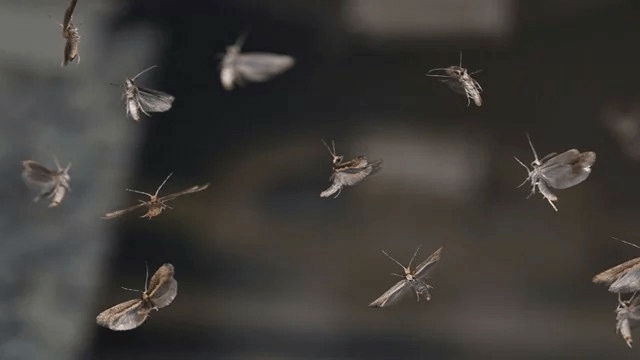
Collage of flying Diamondback moths. Credit: Oxitec.
The diamondback moth, also known as Plutella xylostella, is one of the most destructive insect pests of brassica crops such as cauliflower, cabbage, broccoli and canola.
Resistance of the moth to synthetic insecticides has been reported in numerous parts of the world, and in extreme situations crops have been ploughed and declared unmarketable. The threat of the pest is considered particularly significant particularly in China, as the Chinese cabbage is one of the country’s significant vegetable crops.1
“The diamondback moth is a global pest that costs $4-5 billion annually and has developed resistance to most insecticides, making it very difficult to manage,” says Dr Neil Morrison of the biotechnology company Oxitec.
Credit: Pixabay.
A genetically engineered, self-limiting moth
To circumvent the issue this pest poses, Oxitec have developed a genetically engineered diamondback moth that is self-limiting.
Morrison told Technology Networks, “Two genes – a self-limiting gene and a marker gene – are introduced into the insect, such that it can pass them onto offspring just like any other gene. The resulting self-limiting moths are non-toxic and non-allergenic.”
The idea behind the genetically engineered moth is that when males of this strain are introduced into the environment, they find and mate with pest females. The self-limiting gene is passed onto the offspring, which then prevents the female caterpillars from surviving.
Credit: Oxitec.
World’s first open-field release of self-limiting agricultural pest
A new study published in Frontiers in Bioengineering and Biotechnology outlines the world’s first open-field release of Oxitec’s moth (or any genetically engineered moth for that matter) and suggests that this method is both effective and sustainable for pest regulation.2
The study was led by Professor Anthony Shelton in the Department of Entomology at Cornell University’s AgriTech in New York.
The open-field test adds to previous published work by Shelton in which his team demonstrated that sustained releases of self-limiting strains are able to supress pest populations and prevent the development of insecticide resistance.
“Our research builds on the sterile insect technique for managing insects that was developed back in the 1950s and celebrated by Rachel Carson in her book, Silent Spring,” says Shelton. “Using genetic engineering is simply a more efficient method to get to the same end.”
Mark-release-recapture
Shelton’s team adopted a “mark-release-recapture” method in the study which has been long-used to study insect movements.
“Professor Shelton’s team in Cornell conducted releases of self-limiting male moths alongside non-modified male moths, from the centre of the trial field planted with cabbage. Traps throughout the field were set to recapture a proportion of released moths and, because they were marked with coloured powders, we were able to track their dispersal and lifespan in the field,” says Morrison.
“When released into a field, the self-limiting male insects behaved similarly to their non-modified counterparts in terms of factors that are relevant to their future application in crop protection, such as survival and distance travelled. In laboratory studies they competed equally well for female mates,” says Shelton.
The researchers’ mathematical model also suggests that the self-limiting strain of diamondback moth would be sufficient to control pest populations without the need for supplementary insecticides.
The researchers declared the experiment a success. When Technology Networks asked Morrison if there were any challenges encountered, he said, “The studies went very well, aside from the usual challenges of fieldwork, such as collecting traps in the rain and mud!”
He continues, “This study demonstrates the immense potential of this exciting technology as a highly effective pest management tool, which can protect crops in an environmentally sustainable way and is self-limiting in the environment.”
On the practical applications of the study, Morrison says, “Oxitec is currently evaluating where farmers would benefit most from this solution after which would follow further studies to demonstrate the effectiveness of the approach to protect crops against this devastating pest.”
Self-limiting mosquitoes
We asked if there are any other agricultural pests to which this approach would be applicable. Morrison said, “Self-limiting mosquitoes have been deployed in Brazil, Panama and the Caribbean, successfully controlling populations of Aedes aegypti – which transmits deadly diseases like dengue, zika, chikungunya and yellow fever – in multiple cities and towns.”
He continued, “Oxitec has now joined the fight against malaria, working to develop solutions to two malaria-transmitting mosquito species. In agriculture, the self-limiting approach is being developed in a number of target pests, including the fall armyworm, a caterpillar that which is native throughout much of the Americas but in 2016 arrived in West Africa and has since spread throughout Sub-Saharan Africa and to Asia, expanding its devastating impact on agricultural productivity.”
1. Talekar and Shelton. (1993). Biology, Ecology and Management of the Diamondback Moth. Annual Review of Entomology. DOI: 10.1146/annurev.en.38.010193.001423.
2. Shelton et al. (2020). First Field Release of a Genetically Engineered, Self-Limiting Agricultural Pest Insect: Evaluating Its Potential for Future Crop Protection. Frontiers in Bioengineering and Biotechnology. DOI: 10.3389/fbioe.2019.00482.
सलह किरा अफ्रिकाबाट सन् २००३ मा उत्पत्ती भएको मानिन्छ । यो निकै नै पुरानो प्रवासी (Migratory) शत्रुजीव हो । अन्टार्कटिका र उत्तर अमेरिका बाहेक सबै जसो महादेशमा यो बिपत्ती फैलिएको पाइएको छ ।
सलह किराहरु धेरै प्रजातीका छन् । ती मध्य अस्ट्रेलियामा फैलिएको सलहलाई Australian Plague Locust भनेर चिनिन्छ भने अमेरिकामा फैलिएको किरालाई American Locust भनिन्छ, तर यो सलहले झुण्ड प्रकारको व्यवहार भने देखाउदैन् ।
सबैभन्दा हानिकारक सलह भनेर मरुभुमिको सलह ( Schistocera gregaria ) लाई चिनिन्छ । जुन अहिले पनि धेरै ठाउँहरुमा फैलिएर बिनाश फैलाइरहेको छ । ऐले पाकिस्तान हुदै भारत सम्म आइपुगेको याे सलह किरा २०१८ सालमा साउदि अरब नजिकैको अरेबियन पेनिनसुला(Arabian peninsula) मा दुइ ठूला साइक्लोनले भारि बर्षा गराए पछि प्रजनन गराएको पाइन्छ। 9 महिनामा ३ पुस्ताको प्रजनन गरेर यिनिहरुले आफ्नो सङख्या ८०० गुणाले बढाएका थिए।
नजिकैका एमन र ओमनले त्यतिबेला खाध सङकटमा जुधिरहेकाले उनिहरुले यस किरालाइ प्रोटिनको रुपमा प्रयोग गरे र पछि यो किरा रेड सि र गल्फ अफ इडेनलाइ पार गरि अफ्रिका पुगेको मानिन्छ। २०१९ मा अफ्रिकाको सोमालियामा साईक्लोन का कारण भारि बर्षा भएको थियो । जसका कारण त्यहाँको माटो ओसिलो र वाताबरण हरियालि भयो। त्यसले यस किराको प्रजनन क्षमता र दर बढायो र यो सलह केन्या सम्म सन २०२० को पहिलो महिनामा पुग्यो। त्यहाँकाे बर्षा र चिसो माटोले यसको जनसङख्या बढाउन अझै मद्दत गर्याे।
सलह किराको सङ्ख्या सुरुमा कम हुने गर्दछ । तर लगातार वर्षाको कारण उक्त ठाउँ चिस्सिएर( अण्डाबाट निस्किन उपक्यु्त वातावरण) सलह किराको प्रजजन् दर ( Breeding Rate ) बढेको पाइन्छ । हरेक पटकको प्रजननमा यो किरा २० गुणा सम्म बढे सङ्गसङ्गै नयाँ पुस्ता २० गुना ठूलो हुने हुने गर्दछ। र यस किराको बाँच्ने दर समेत ३-५ महिना जति हुने गर्दछ जुन वातावरणमा धेरै भर पर्छ ।
उमेर संगै पछाडीको खुट्टामा स्पर्श उत्तेजनाको कारणले गर्दा सेरोटोनिन हर्मोनको मात्रा बढेर सलह किराको रङ्ग, आहारा र प्रजजन् मा फरकपना आउँदछ । २०-४० दिन सम्मका किरालाइ होपर भनिन्छ र यसका पेखेटा पनि आइसकेका हुदैनन्। यो किरालाइ नियन्त्रण गर्ने उपयुक्त समय मानिन्छ र यसको रङ हरियो हुन्छ। त्यस पछि हरियो देखि खैरो र गुलाबि हुदै पहेलो रङको हुन्छन जुन अवस्थामा यसको नियन्त्रण लगभग असम्भव छ।
यी किराहरु समुह बनाएर झुण्ड रुप लिई बसाइँसराइ गर्न थाल्दछन् । किराहरु धेरै जसो सुस्त गतिमा हावा चलेको दिशा र कम चाप हुने ठाउँमा उड्ने गर्दछन् । झुण्डमा स-साना पखेटाबिहिन निम्फहरु र बलिया वयस्कहरु पनि हुने गर्दछन् । यी सबै मिलेर बालीनालीलाई नष्ट पार्दछन् । सामान्यतया एउटा सलह किराले आफ्नो वजन बराबरको (करिब २ ग्राम) खाना खान सक्छ । एक बर्गकिलोमीटर क्षेत्रफलमा ८० लाखसम्म किराहरु हुन सक्ने समेत प्रमाण पुष्टि भएको छ भने यी किराहरु दैनिक ९० माईल(१५० किमि) सम्मको दुरि पार गर्न सक्दछन् । एक दिनमा यो किराले करिब ३५००० मान्छेले बराबरको खाना खान सक्ने र जुनको महिनामा यो बढेर १,७५००,००० सम्म पुग्ने अनुमान छ।
प्राचीन समयमा ईजिप्टियनहरुले आफ्ना पुस्तकहरुमा यस किरासम्बन्धि कुराहरु उल्लेख गरेका छन् । मुख्यत: कृषि पद्धतिमा र बालीनालीको राम्रो निगरानी हुन नसक्दा यी किराहरु उत्पन्न भए कि भन्ने कुराहरु भेटिन्छन् । पहिलेपहिले माटो तथा हावाको माध्यमबाट बिषादी प्रयोग गरेर किराहरु मार्ने गरेको पाइन्थ्यो र २० औँ शताब्दी तिर सलह किराको झुण्ड रुप घट्दै गएको समेत थियो । हरेक १० बर्षमा सोलार Activity कम हुने र यसबाट आउने कज्मिक रे ले किरा तथा भाइरसको जिबन चक्रमा केहि फरकपना ल्याउने कुरा पनि कहि कतै भेटिेएको छ। १०० बर्षमा २०२० कि solar activity सब भन्दा कम रेकड गरिएको छ। जलवायु परिवर्तन जस्ता विभिन्न मानविय क्रियाकलापहरुले गर्दा पनि यो समस्या आएको हो र यसको जैविक तवरबाट चाडै यस किराको ब्यवस्थापन गरिनु पर्दछ भन्ने आधुनिक मान्यता आएको छ ।
अफ्रिका हुँदै इजिप्ट, जोर्डन र इजरायल जस्ता देशहरुमा लामो समयसम्म यस किराको प्रकोप देखिएको थियो भने यसले झण्डै २.५ लाख अमेरिकी डलर बराबरको क्षति समेत पुर्याएको थियो । FAO ले अफ्रिकामा सलहि किरा ब्यबस्थापनलाइ सुरु गरेको कार्यक्रममा अरबाैको लगानि गर्दा पनि यो बर्ष अफ्रिकामा ५ करोड मान्छे खाध सङकटमा पर्ने कुरा जनाएको छ। यसको प्रकोपमा परेका देशहरु तल नक्सामा देखाइएको छ।
यो किरा ऐले इरान हुदै पाकिस्तान र भारतमा आइसकेको छ र नेपालमा प्रवेश गर्न सक्ने सम्भावना प्रवल देखिन्छ। यसका लागि सम्बन्धित निकायको ध्यान जान जरुरि छ। सलह किराको प्रकोपलाई कम गर्नको लागि विभिन्न पहल हरु भईरहेका छन् । तिमध्ये केही उपायहरु यसप्रकार छन् ।
१. विभिन्न उपकरणहरुको माध्यमबाट थोरै मात्रामा ( ULV form ) अर्गानोफोस्फेट रसायनहरुको प्रयोग गर्न सकिन्छ । २. कम दुरि उड्न सक्ने उपकरणबाट वायुमण्डलिय डिस्टर्ब सिर्जना गर्न सकिन्छ । ३. किराले प्रजजन् गर्ने सक्ने ठाउँलाई कुनै रसायन या घरेलु विधिबाट नष्ट गर्न सकिन्छ । ४. टायर बाल्ने, जालको प्रयोगबाट छोप्ने, खाडल बनाएर हाल्ने जस्ता क्रियाकलाप बाट पनि केही हद सम्म यस किराको प्रकोपलाई कम गर्न सकिन्छ । ५. अलि बढी फैलिएको ठाउँमा भने जैविककिट्नाशक औषधि ( Biopesticides ; Fungai based Green Muscle ) प्रयोग गर्न सकिन्छ । ६. भारतले यो बेला मालाथिएनको प्रयोग गरेको पाइएको छ भने, पाकिस्तानमा डाइजिनन र फिप्रोनिल साथै अफ्रिकामा Green Muscle भन्ने बिषाधिको प्रयोग सब भन्दा सफल देखिन्छ।
भर्खरै, भारतमा २६ बर्ष पश्चात् सलह किराको प्रकोप देखिएको समाचार आइरहेको छ । बैज्ञानिकहरुकोको अनुसार, भारत र पाकिस्तानको सिमानामा असमान मनसुन र समुन्द्री साईक्लोनको कारणले यो परिस्थिति सिर्जना भएको पुष्टि भएको छ ।
तसर्थ, यस किराको प्रकोप कम गर्नको लागि तुरुन्तै आवश्यक कदमहरु चाल्न जरुरी देखिन्छ । नत्र भने, भोलिको दिनमा मानव जीवन लगायत कृषि प्रणालीमा ठूलो प्रतिकुल असर पुगि खाद्यसंकट निम्तिन सक्ने सम्भावना देखिन्छ ।
सलहका केहि थप तथ्यहरु :
१. खान नपाएमा यो किराले एक अर्कालाई खाएर भोक मेटाउछ। २. समुन्द्रमा एक हुल बसिसके पछि त्यो डुबेर मर्छ र अर्को हुल त्यस माथि बसेर जिबित रहन्छ। ३. सन १९३७ मा कोलोराडो सरकारले यसको नियन्त्रणको लागि आगो फाल्ने मेसिन र बम सम्मको प्रयोग गरेको थियो।
गतवर्ष ९ मे मा नेपालको नवलपरासीमा पहिलो पटक देखा परेको अमेरीकन फौजीकिराको प्रकोप यस वर्षपनि सानै विरुवा अवस्थादेखीनै देखिएको समाचारहरु आउन थालेकाले सो नोक्सानि दोहोरिने निश्चित प्राय छ।
यस फौजीकिराले बिरुवाको पातदेखी मकैको घोँघा सम्मको पनि नाश गर्ने हुनाले नेपालको प्रमुख खाद्यवाली मध्यको एक मकैको उत्पादन हदैसम्म घटाएर नेपालको खाद्य सुरक्षामा गम्भिर चुनौति खडा गर्ने खतरा बढेको छ।
यसैकारण आज हामीले यस फौजीकिराको पहिचान र नियन्त्रण गर्नका निम्ति चाहिने आधारभुत ज्ञान समाहित यस आलेख तयार पारेका छौँ।
अन्य फौजीकिराहरु जस्तै यस अमेरिकन फौजीकिरो पनि ठुलो समुहमा धेरै मात्रामा बालीनाली नष्ट गर्ने गर्छ। पुतलि प्रजातिको यस किटको वैज्ञानिक नाम Spodoptera frugiperda हो। यसको व्यसक भर्सन रातिमा क्रियाशिल हुने गर्दछ। तथापि यसको लार्भाले यसलाई बढ्ता क्षति पुर्याउने गर्छ। यसले मकैको पात, गुभो, जुँगा र घोगा समेत लाई नोक्सान पुर्याउने गर्दछ। यसले मकै मात्रै नभई जुनेलो, धान, गहुँ, कोदो, उखु, बन्दा चुकन्दर, बदाम, भटमास, प्याज, कपास, गोलभेंडा, आलु तथा अन्य ८० देखी 100 प्रजातिका घाँसमा पनि असर पुर्याउने गरेको पाईएको छ ।
यो सर्वप्रथम अमेरिकी महादेशमा पाईए तापनि यसको बयस्क पुतली खाना र बासस्थानको खोजीमा एक दिनमा करिब १ सय किलोमिटर र जीवनमा २ हजार किलोमिटरसम्म उडेर जान सक्ने हुनाले हालका वर्षहरुमा यसले अफ्रिकि र एसियाली महादेशका नेपाल र भारत सहितका विभिन्न देशहरुमा अतिक्रमण गरेको छ। करिब १ वर्ष पहिलेमात्र नेपालमा भित्रिएको भएतापनि ठुलो मात्रामा क्षति पुर्याउने भएका कारण छोटो समयमै किसानहरुको टाउको दुखाईको कारण बन्न पुगेको छ।
यस किराको बयस्क भर्सन करिब 1.6 cm लामो हुन्छ भने यसको रङ्ग खरानी मा खैरो मिसिएको जस्तो हुन्छ। यसको भाले जातिमा पहिचान त्यसको अगाडिको पखेटामा रहेका सेता धब्बाले गर्न सकिन्छन् भने यसका पोथी जातिमा त्यस्ता धब्बा हुँदैनन्। गर्भाधान पश्चात , पातको तल्लो भागमा करिब 100 देखि 200 सङ्ख्याको समुहमा रहेका अण्डा, यसको पोथीले पार्ने गर्छ। साथसाथै उक्त अण्डा लाई कपास जस्ता तत्वले ढाक्ने गर्दछ। एउटा ब्यस्क पोथीले आफ्नो जीवन कालमा करीब 1000 अण्डा दिने सामर्थ्य राख्दछ। भने यसको औसत जिवन अवधि 10 देखी 21 दिनको हुन्छ।
फौजी किराको लार्भा शुरुको अवस्थामा सेतो वा हल्का हरियो रंगको हुन्छ भने टाउको कालो हुन्छ । हुर्कदै जाँदा लार्भाको शरीर खैरो रंगको हुन्छ भने टाउको गाढा खैरो रंगको हुन्छ । पूर्ण विकसित लार्भा ३ देखि ४ सेन्टिमिटरको हुन्छ । टाउको मा भएको Y आकारको सेतो चिन्हले यसको लार्भाको सहजै पहिचान गर्न सकिन्छ। लार्भाको जीवन १४ देखि २१ दिनको हुन्छ भने लार्भाको जीवन छ चरणमा पुरा हुन्छ। पाँचौ र छैठौँ चरणका लार्भाले धेरै क्षति पुर्याउने हुनाले यस अगावै यसको नियन्त्रण जरुरी हुन्छ।
पछिल्लो चरणको लार्भा, यसको शरिर खैरो, टाउको गाढा खैेरो हुन्छ। साथैै टाउकोमा भएको सेतो Y आकारले यसको सहज पहिचान गर्न सकिन्छ।
प्यूपा
प्यूपा
यसको प्यूपा मुख्यत: निश्क्रिय रुपमा माटोमुनी बस्ने र केहिपनि नखाने हुनाले त्यति खतरनाक हुँदैनन्। करिब 14 देखी 21 दिन पश्चात शिल्क र माटोका केहि कणको प्रयोग गरेर गाढा खैरो रङ्गको एउटा खुकुलो र गोलो ‘कोकुन’ बनाउछ। यो चरण करिब 9 दिन सम्ममा पुरा हुने गर्दछ भने यसले लामो समयसम्म चिसो वातावरण सहन सक्दैन। यस चरणले ब्यस्क फौजीकिरालाई जन्म दिन्छ।
अण्डाबाट भर्खर निस्किएको लार्भाले पातको हरियो Epidermal भाग कोतरेर खाने गर्दछ । जसले गर्दा पातहरुमा सेतो धब्बा देखिन्छन् । लार्भाहरु ठूलो हुँदै जाँदा पातहरुमा प्वाल देखिन्छ । पछि गुभोभित्र समेत पसेर खाइदिने हुँदा गुभो खोलेर हेर्दा लार्भा देखिन्छ । यसले मकैको धान जमरामा समेत क्षति गर्ने गरेको पाइएको छ । घोगा लागेपछि घोगा र दानासमेत खाएर उत्पादनमा 70% सम्म ह्रास ल्याउने गर्दछ ।
फौजीकिराको ब्यवस्थापनका ऊपायहरु:
फौजीकिराको पछिल्ला तहका लार्भाले बढि क्षति गर्ने हुनाले सुरुवाति चरणमा नै निम्न उपायहरु प्रयोग गरेर केहि हद सम्म नियन्त्रण गर्न सकिन्छ। जैविक तत्वहरु द्वारा सिर्जीत समस्याहरुलाई जैविक विधिबाट नै समाधान गर्नु सबैभन्दा उचित हुन्छ। त्यसैले हामिले यहाँ दिईएका समाधानका ऊपाय मध्य धेरैजसो जैविक विधि केन्द्रित छन् भने विकल्पका रुपमा रसायनिक विधिहरु पनि उल्लेख गरिएको छ । र यहाँहरुलाई पनि जैविक विधि प्रयोग गर्न आहवान गर्दै रसायनिक विधिको प्रयोग गर्न निरुत्साहन गर्दछौँ। साथै यस अमेरिकी फौजीकिरो तुलनात्मक रुपमा किटनाशक रशायन प्रतिरोधक रहेकाले जैविक विधीनै सबैभन्दा उपयूक्त हुन्छ।
पुस-पुल रणनितिको प्रयोग: एकिकृत किट व्यवस्थापन प्रणालीमा सबैभन्दा उत्तम उपायमध्य पुस-पुल विधि पनि एक हो। यस विधि अन्तर्गत मकैमा अमेरिकी फौजीकिराको नियन्त्रण गर्नका निम्ति मकैलाई डेस्मोडियम घाँससंगै लगाउन सकिन्छ। यो घाँस कीरालाई मन नपर्ने हुनाले मकैको बीचबीचमा यो घाँस लगाएर कीरालाई धपाउने अनि छेउछेउमा कीरालाई मन पर्ने नेपियर घाँस लगाएर कीरालाई आकर्षित गर्ने आकर्षित भएका किरालाई विषादी प्रयोग गरी मार्न सकिन्छ ।
पुस-पुल रणनिति
स्याम्पलिङ्ग : ब्याकलाईट ट्रयाप र फेरोमोन ट्रयापहरु राखेर पनि केहि हद सम्म यसलाई नियन्त्रण गर्न सकिन्छ।
सुरुको अवस्थामा र सानो क्षेत्रको उत्पादनमा हातैले अण्डाहरु संकलन गरेर तातो पानीमा डुबाई नष्ट गर्न पनि सकिन्छ ।
मकैसंगै कोसेबालीहरु पनि अन्तरबालीका रूपमा लगाउँदा कीराको प्रकोप कम गर्न सकिन्छ भने अर्कोतर्फ त्यसले माटोमा उचित मात्रामा नाईट्रोजन बढाउन पनि मद्दत गर्दछ।
चाँडै रोपेर चाँडैनै उत्पादन भित्राउन सकिने प्रजातिका मकैहरु लगाउन सकिन्छ।
घरेलु ऊपायहरु जस्तै- गुभोमा मसिनो माटो वा खरानी राखने,हरियो खुर्सानी गाईको गहुँतमा पकाएर १ : १० को अनुपातमा पानी मिसाएर गुभोमा राख्ने अनि निम जस्ता किटनाशक क्षमता भएका जैविक वस्तुहरु पनि प्रयोग गर्न सकिन्छ।
अण्डाको परजीवी किरा ट्राइकोग्रामा वा टेलिनोमस नामक बारुलाहरु छोडेर पनि नियन्त्रण गर्न सकिन्छ ।
जैविक विषादीको हकमा ब्यासिलस थ्रुन्जेनसीस ब्याक्टेरियामा आधारित विषादी जस्तै महाशक्ति, डाइपेल २ मिलिलिटर वा २ ग्राम प्रतिलिटर पानीमा राखेर छर्न सकिन्छ ।
वा रासायनिक विषादीहरु छर्नै परेमा,
मकैको पातमा सेता लाम्चा झिल्लीसहितका प्वाल अवस्थाको क्षतिको लक्षण देखा परेमा नीमजन्य विषादी एजाडिराक्टिन १५०० पीपीएम ५ मिलिलिटर प्रतिलिटर पानीमा मिसाएर छर्न सकिन्छ ।
मकैको पातमा प्वाल परेको तथा गुभोमा क्षतिको लक्षण देखा परेमा इमामेक्टिन बेन्जोएट ५ प्रतिशत एसजी ०.४ ग्राम प्रतिलिटर पानीमा मिसाएर छर्न सकिन्छ ।
अन्य रसायानिक विषादिमा स्पाईनटोराम र स्पाईनोसढ पनि प्रयोग गर्न सकिन्छ।
ध्यान दिनुपर्ने कुरा:
लार्भाहरु गुभो वा घोँघा भित्र पस्नु अगावै माथि उल्लेखित उपायहरु प्रयोग गरिसक्नु पर्ने छ।
रातो खपटे किरा, काक्रो र फर्सी समूहका लहरे बालीमा जमिनको सतहभन्दा केही मुनी बस्ने र बिरुवाको कलिलो अवस्थामा बढी क्षति पुर्याउने एक प्रकारको हानिकारक किरा हो।
वयस्क खपटे चम्किलो रातो हुन्छ भने लार्भा फिक्का पहेँलो रङको हुन्छ ।
खपटे किरा सामान्यतया बिहान र बेलुकी पख देखिने हुनाले सम्भव भएसम्म टिपेर फाल्दा राम्रो हुन्छ। जमीनमुनि बस्ने भएकाले समयमै गोडमेल गर्नुपनि उत्तम हुन्छ।
यसको व्यवस्थापनका लागी बायोलेप( #Biolep; Trade name) (Biological Insecticide; contains stain of Bacillus thuringensis) १ ग्राम प्रति लिटर (१gm/lt) पानीमा मिसाई बेलुकीपख छर्ने, तथा nucleopolyhedrovirus (NPV) १ ml/lt पानीमा मिसाएर 10 देखि 15 दिनको फरकमा ३-४ पटक सम्म छर्नुपर्छ।
किराको प्रकोप बढी भएको खण्डमा साँझपख ५% #malathion घोल बनाई जमिन र पात भिज्ने गरी छर्नुपर्छ।
पाटे खपटे(Striped Cucumber beetle)
पाटे खपटे(Striped Cucumber beetle) -यस किराको क्षति अरु खपटे किरा भन्दा अलि फरक खालको हुन्छ। -यसले बोटमा भएका फुलहरु खान्छ र फल लाग्न दिँदैन यसको व्यवस्थापन गर्न रातो खपटे किरा जस्तै पद्धति अपनाउनु सकिन्छ।










 Agro.science.blog